 Central Library : Jl. Raya Tlogomas No 246 Malang
 [email protected]


Need Help? chat us on WhatsApp
+62 821 4377 7735Central Library : Jl. Raya Tlogomas No 246 Malang[email protected]

Need Help? chat us on WhatsApp
+62 821 4377 7735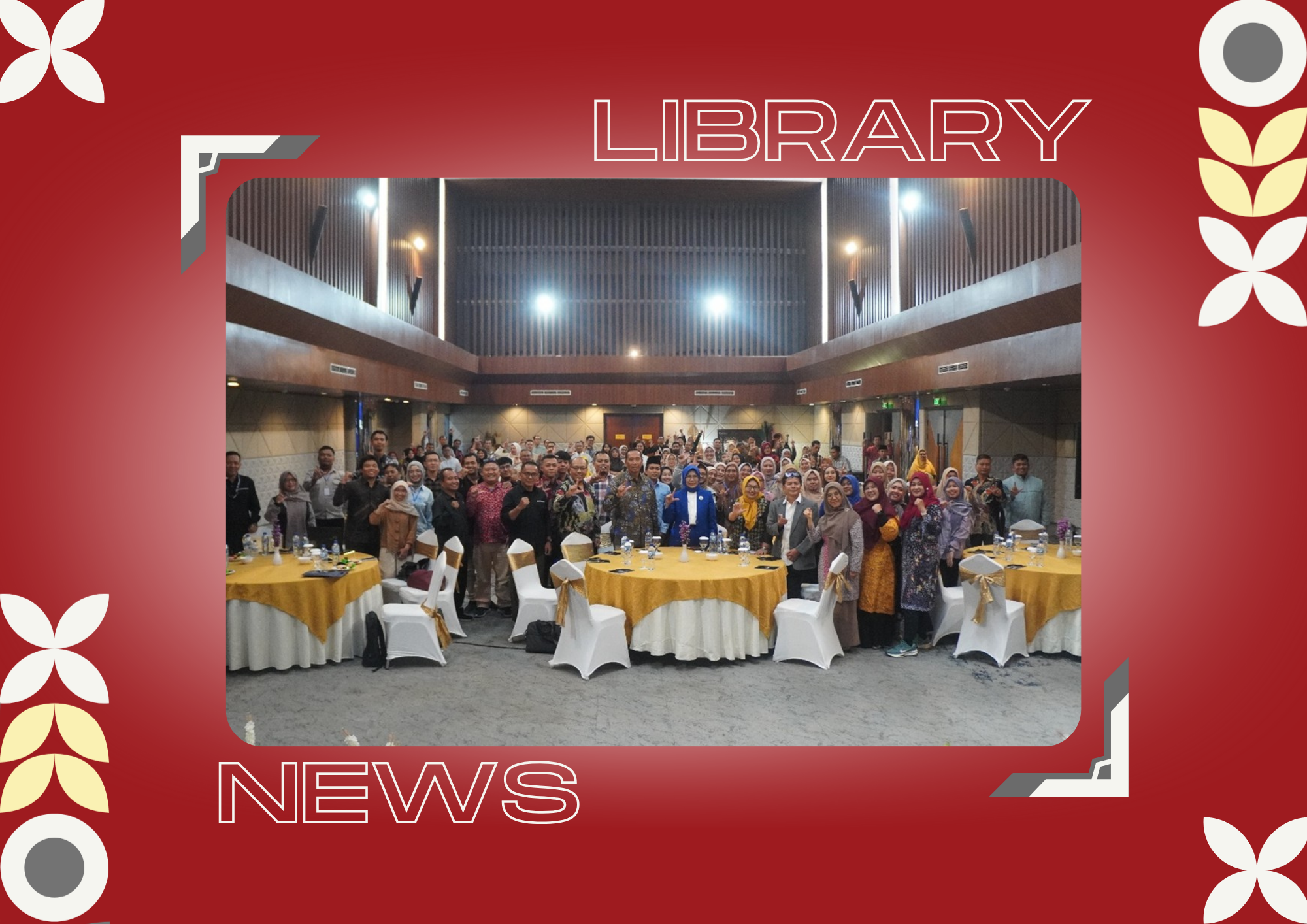
The 2025 East Java FPPTI Seminar and Workshop, held on Friday, November 28, 2025, was a success and received high enthusiasm from participants. This event provided a crucial collaborative space for practitioners, academics, and library managers to strengthen the transformation of information services in the digital and artificial intelligence era.
The event began with remarks from the leaders and continued with an Opening Speech from the Deputy Minister of Higher Education, Science, and Technology of the Republic of Indonesia, Prof. Dr. Fauzan, M.Pd. In his keynote address, titled "Impact Libraries," he emphasized the importance of fundamental changes in libraries to become inclusive, interactive public spaces capable of adapting to AI technology. He emphasized that librarians are no longer merely keepers of information, but must transform into connectors, innovation facilitators, and even AI developers to address the challenges of the times.
Seminar Session: Speakers & Featured Topics
The seminar featured a number of experts and practitioners who presented their ideas, experiences, and the latest innovations in modern library development.
1. Chandra Pratama Setiawan, S.IIP., M.Sc.
Topic: Artificial Intelligence Solutions for Modern Information Services and Search
In his presentation, Chandra discussed how AI can optimize information search, improve metadata quality, and create responsive, automated reference services.
2. Best Practice Presentations
Two innovative librarians shared their experiences of digital transformation in academic libraries:
• Moh. Zawawi, A.Md., S.I.Pust. (University of Muhammadiyah Malang)
Topic: Librarians as AI Innovators: Digital Service Transformation at UMM Library
Zawawi presented AI-based service innovations at UMM, including the development of the Flowise AI chatbot, optimizing digital information literacy, and integrating technology to enhance the user experience.
• Achmad Qorni Novianto, S.Ptk., M.M. (State University of Malang)
Topic: Digital Heritage Preservation: UMM Special Collections in the AI Era
Qorni highlighted the importance of preserving special collections with the support of AI technology, from digitization and automated metadata management to sustainable campus heritage preservation efforts.
• Ida Fajar Priyanto, M.A., Ph.D.
Topic: New Paradigm of Libraries as Alternative Learning Spaces in the AI Era
Ida Fajar emphasized the paradigm that libraries are no longer simply collection providers, but rather adaptive alternative learning spaces, places for collaboration, knowledge creation, and the integration of modern learning technologies.
• Yeni Fitria Nurahman, S.IIP.
Topic: Implementation of Library Heterotopia and Utilization of AI in Higher Education
Yeni discussed the concept of library heterotopia—a space that bridges multiple functions and realities—and the opportunities for applying AI to strengthen services, digital literacy, and the user experience on campus.
3. Workshop Session: Deepening Practical Competencies
In addition to the seminar, participants also participated in thematic workshops that presented hands-on experiences in technological transformation, including:
• Integration of AI in digital preservation
• Strengthening intelligent bot-based services
• Development of modern, technology-based learning spaces
• Digital collection management strategies
The workshops were interactive and provided participants with hands-on experience in implementing various new technologies and approaches in their respective libraries.
4. High Enthusiasm & Positive Impact
This year's series of seminars and workshops provided a crucial opportunity for university libraries in East Java to:
• strengthen professional networks,
• share best practices,
• build collaborative innovation, and
• accelerate the transformation of artificial intelligence-based services.
The event concluded with optimism that libraries will continue to be centers of change—not just providers of information, but centers of digital civilization with a broad impact on the academic community and the nation.